
Exploring Framing and Drywall for Interiors

When it comes to transforming interior spaces, understanding drywall framing techniques is essential. Whether you are renovating a home or outfitting a commercial space, the structure behind your walls plays a critical role in the final look and durability. I want to share insights into the process, materials, and best practices that ensure your walls are strong, smooth, and ready for finishing.
Drywall framing is the backbone of any interior wall system. It involves creating a sturdy framework that supports drywall panels, which then form the visible surfaces of your rooms. This framework must be precise and well-constructed to avoid issues like cracks, uneven surfaces, or weak spots. Let’s dive into the details of drywall framing techniques and how they contribute to a successful interior project.
Understanding Drywall Framing Techniques
Drywall framing techniques focus on building a reliable skeleton for your walls. This skeleton is usually made from wood or metal studs. The choice depends on the project type, budget, and specific needs such as fire resistance or moisture control.
Wood Stud Framing
Wood studs are the traditional choice for residential projects. They are easy to work with and widely available. The standard size is 2x4 inches, spaced 16 or 24 inches apart. This spacing provides enough support for drywall sheets while allowing room for insulation and wiring.
When framing with wood, it’s important to:
Use straight, dry lumber to avoid warping.
Secure studs firmly to the floor and ceiling plates.
Check for level and plumb alignment regularly.
Add blocking where needed for fixtures or cabinets.
Metal Stud Framing
Metal studs are common in commercial buildings and some modern homes. They are lightweight, resistant to pests, and do not warp. Metal framing requires special fasteners and tools but offers excellent durability.
Key points for metal framing include:
Using galvanized steel to prevent rust.
Ensuring proper spacing and alignment.
Installing track channels at the top and bottom.
Using screws designed for metal studs.
Both wood and metal framing must be planned carefully to accommodate doors, windows, and electrical outlets. Proper framing ensures the drywall panels fit perfectly and stay secure over time.
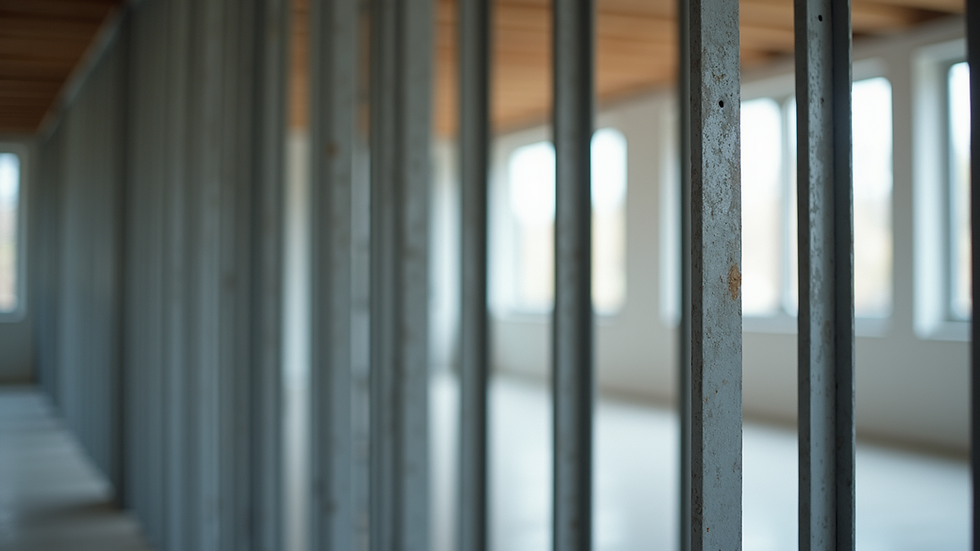
Essential Drywall Framing Techniques for a Smooth Finish
Once the framing is in place, drywall installation can begin. However, the quality of the framing directly affects the drywall finish. Here are some essential drywall framing techniques to keep in mind:
Accurate Stud Spacing
Drywall sheets typically measure 4 feet by 8 feet. Studs spaced 16 inches apart provide the best support for these panels. This spacing prevents sagging and reduces the risk of cracks.
Proper Fastening Points
Each drywall sheet should be fastened securely to the studs. Fasteners should be placed about 8 to 12 inches apart along the edges and every 12 to 16 inches in the field. This ensures the drywall stays flat and stable.
Level and Plumb Walls
Walls must be perfectly vertical and level. Even small deviations can cause drywall joints to misalign, leading to visible imperfections after finishing.
Blocking and Reinforcement
Adding blocking between studs provides extra support for heavy fixtures like cabinets, shelves, or wall-mounted TVs. It also helps when installing corner beads and trim.
Soundproofing and Insulation
Framing techniques can include space for insulation materials that improve soundproofing and energy efficiency. Using resilient channels or staggered studs can further reduce noise transmission.
By following these techniques, you create a solid base that makes drywall installation smoother and the final surface flawless.
Tools and Materials for Drywall Framing
Having the right tools and materials is crucial for efficient drywall framing. Here’s a list of essentials:
Tools
Tape measure - for precise measurements.
Level and plumb bob - to ensure vertical and horizontal accuracy.
Hammer or screw gun - for fastening studs and drywall.
Chalk line - to mark straight lines on floors and ceilings.
Saw (circular or handsaw) - to cut studs to length.
Metal snips - for cutting metal studs.
Utility knife - for trimming drywall sheets.
Materials
Wood or metal studs - the main framing components.
Top and bottom plates - horizontal framing members.
Drywall sheets - usually 1/2 inch thick for walls.
Fasteners - nails or screws suitable for the framing material.
Insulation - fiberglass or foam boards.
Joint compound and tape - for finishing drywall seams.
Using quality materials and the right tools helps avoid delays and ensures a professional result.

How to Prepare for Drywall Framing in Your Project
Preparation is key to a successful drywall framing project. Here are practical steps to get ready:
Plan Your Layout
Draw a detailed plan showing where walls, doors, and windows will go. Include measurements and stud spacing.
Check Building Codes
Verify local building codes and regulations. Some areas require fire-rated drywall or specific framing methods.
Gather Materials and Tools
Order all necessary materials in advance. Make sure tools are in good condition.
Clear the Workspace
Remove debris and obstacles. A clean area improves safety and efficiency.
Mark Reference Lines
Use a chalk line to mark the exact locations of walls on floors and ceilings.
Coordinate with Other Trades
If electricians or plumbers need to work inside walls, schedule framing accordingly.
By preparing thoroughly, you reduce mistakes and keep your project on track.
Why Choose Professional Drywall and Framing Services?
While DIY framing and drywall installation are possible, hiring professionals offers many advantages. Experienced contractors bring:
Expert knowledge of drywall framing techniques
Access to specialized tools and materials
Efficient workflow and time savings
High-quality finishes with fewer repairs needed
Compliance with local building codes
Proper handling of complex areas like arches or curved walls
For anyone in the St. Louis area, partnering with a trusted company like Saint Louis Drywall Pros ensures your project is done right the first time. Their expertise in framing and drywall guarantees durable, attractive interiors that stand the test of time.
Enhancing Your Space with Quality Framing and Drywall
Good framing and drywall work form the foundation of beautiful interiors. They allow you to customize your space with paint, wallpaper, or decorative finishes. Properly framed walls also improve insulation and sound control, making your environment more comfortable.
Whether you are updating a single room or constructing a new commercial space, investing in quality drywall framing techniques pays off. It creates a smooth, stable surface ready for any design vision.
If you want to transform your interiors with confidence, consider professional drywall and framing services. They bring precision, reliability, and peace of mind to every project.
By understanding and applying these drywall framing techniques, you can achieve strong, flawless walls that enhance your space. Remember, the right framework is the key to lasting beauty and function.
Related services and next steps: Complete Basement Finishing • Commercial Drywall & Metal Framing • Request an Estimate
Comments