
Effective Framing and Drywall Techniques
When it comes to transforming a space, whether residential or commercial, the foundation of quality construction lies in effective framing and drywall installation. These two elements shape the structure and finish of your walls and ceilings, impacting both durability and aesthetics. I have worked closely with experts in the field and learned that mastering these techniques ensures a smooth, professional result that lasts for years.
In this post, I will share practical insights and step-by-step guidance on framing and drywall techniques. This information will help you understand the process, make informed decisions, and appreciate the craftsmanship involved in drywall contractor services.
Understanding Drywall Contractor Services
Drywall contractor services cover a wide range of tasks, from framing the skeleton of walls to installing drywall sheets and finishing surfaces. These services are essential for both new construction and renovation projects. A skilled drywall contractor ensures that walls are straight, joints are seamless, and surfaces are ready for painting or wallpaper.
The process begins with framing, which involves constructing the framework that supports drywall. This framework must be precise and sturdy to prevent future issues like cracks or sagging. After framing, drywall sheets are cut, hung, and secured to the frame. The final steps include taping, mudding, sanding, and sometimes texturing.
Hiring professional drywall contractor services guarantees that each step is done correctly. They use the right materials and tools, follow building codes, and apply techniques that enhance the longevity and appearance of your walls.
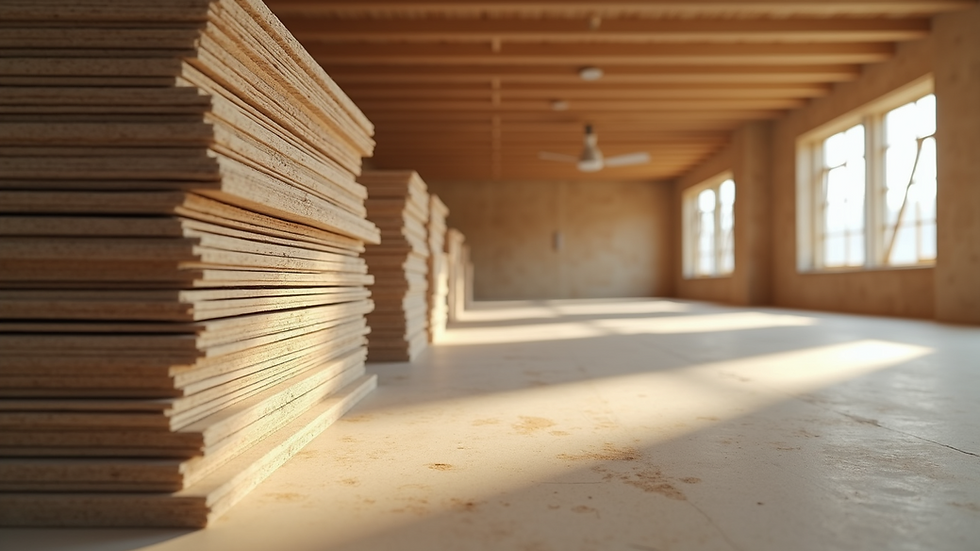
What is Drywall Framing?
Drywall framing is the process of building the structural framework that supports drywall panels. This framework is typically made from wood or metal studs arranged vertically and horizontally to form the skeleton of walls and ceilings.
The framing must be square, level, and properly spaced to provide a solid base for drywall. Common stud spacing is 16 or 24 inches on center, depending on the wall’s purpose and load requirements. Proper framing also includes installing headers, plates, and blocking where necessary to support doors, windows, and fixtures.
One critical aspect of drywall framing is ensuring that electrical wiring, plumbing, and insulation can be accommodated without compromising the structure. This requires careful planning and coordination with other trades.
For example, when framing a commercial office space, I always recommend double-checking measurements and alignment before proceeding. This prevents costly mistakes and rework later in the drywall installation phase.

Essential Techniques for Effective Framing
Effective framing is the backbone of any drywall project. Here are some key techniques I have found invaluable:
Use quality materials: Choose straight, dry lumber or corrosion-resistant metal studs. Warped or damaged materials can cause uneven walls.
Measure twice, cut once: Accurate measurements prevent gaps and misalignments.
Maintain consistent stud spacing: Stick to 16 or 24 inches on center for uniform support.
Check for level and plumb: Use a level and plumb bob to ensure studs are perfectly vertical and horizontal.
Install blocking where needed: Add horizontal blocks between studs to support heavy fixtures or cabinets.
Plan for utilities: Leave space and openings for electrical boxes, plumbing pipes, and HVAC ducts.
By following these techniques, you create a reliable framework that supports drywall securely and reduces the risk of future problems.
Drywall Installation Best Practices
Once the framing is complete, drywall installation begins. This step requires precision and care to achieve a smooth, professional finish. Here are some best practices I recommend:
Cut drywall sheets accurately: Use a utility knife and straight edge to score and snap drywall cleanly.
Hang drywall horizontally: This reduces the number of joints and increases wall strength.
Start from the top: Hang ceiling drywall first, then walls.
Use the right fasteners: Drywall screws or nails should be driven just below the surface without breaking the paper.
Stagger joints: Avoid lining up seams on adjacent sheets to prevent cracking.
Leave small gaps: A 1/8 inch gap between sheets allows for expansion and contraction.
Tape and mud joints properly: Apply joint tape and multiple coats of joint compound, sanding between coats for a smooth finish.
These steps ensure that drywall is securely attached and ready for finishing touches like painting or wallpapering.

Why Choose Professional Drywall Contractor Services?
Choosing professional drywall contractor services offers several advantages:
Expertise and experience: Professionals understand the nuances of framing and drywall installation.
Time efficiency: Skilled contractors complete projects faster without sacrificing quality.
Proper tools and materials: They use industry-standard equipment and high-quality materials.
Code compliance: Professionals ensure work meets local building codes and safety standards.
Clean and safe worksite: Contractors manage debris and maintain a safe environment.
Long-lasting results: Proper techniques prevent common issues like cracks, sagging, and uneven surfaces.
For anyone looking to improve their space, investing in professional drywall contractor services is a smart choice. It guarantees a durable, attractive finish that enhances the value and comfort of your property.
If you want to learn more about reliable framing and drywall services in the St. Louis area, I recommend reaching out to trusted local experts who specialize in both residential and commercial projects.
Enhancing Your Space with Quality Framing and Drywall
Effective framing and drywall techniques are the foundation of any successful construction or renovation project. They provide the structure and finish that define your walls and ceilings. By understanding these processes and choosing professional services, you ensure your space looks great and stands the test of time.
Whether you are remodeling a home or outfitting a commercial building, paying attention to framing and drywall details makes all the difference. From selecting materials to applying joint compound, each step contributes to a flawless finish.
I encourage you to prioritize quality and precision in your next project. With the right approach, your walls will not only look beautiful but also provide lasting strength and stability.
By following these guidelines and working with experienced drywall contractor services, you can transform your space with confidence. Remember, the key to success lies in solid framing, careful drywall installation, and expert finishing. Take the time to get it right, and your investment will pay off for years to come.
Related services and next steps: Complete Basement Finishing • Commercial Drywall & Metal Framing • Request an Estimate
Comments