
Guide to Drywall Texture Types for Every Room
- Salem Developments
- Aug 7
- 6 min read

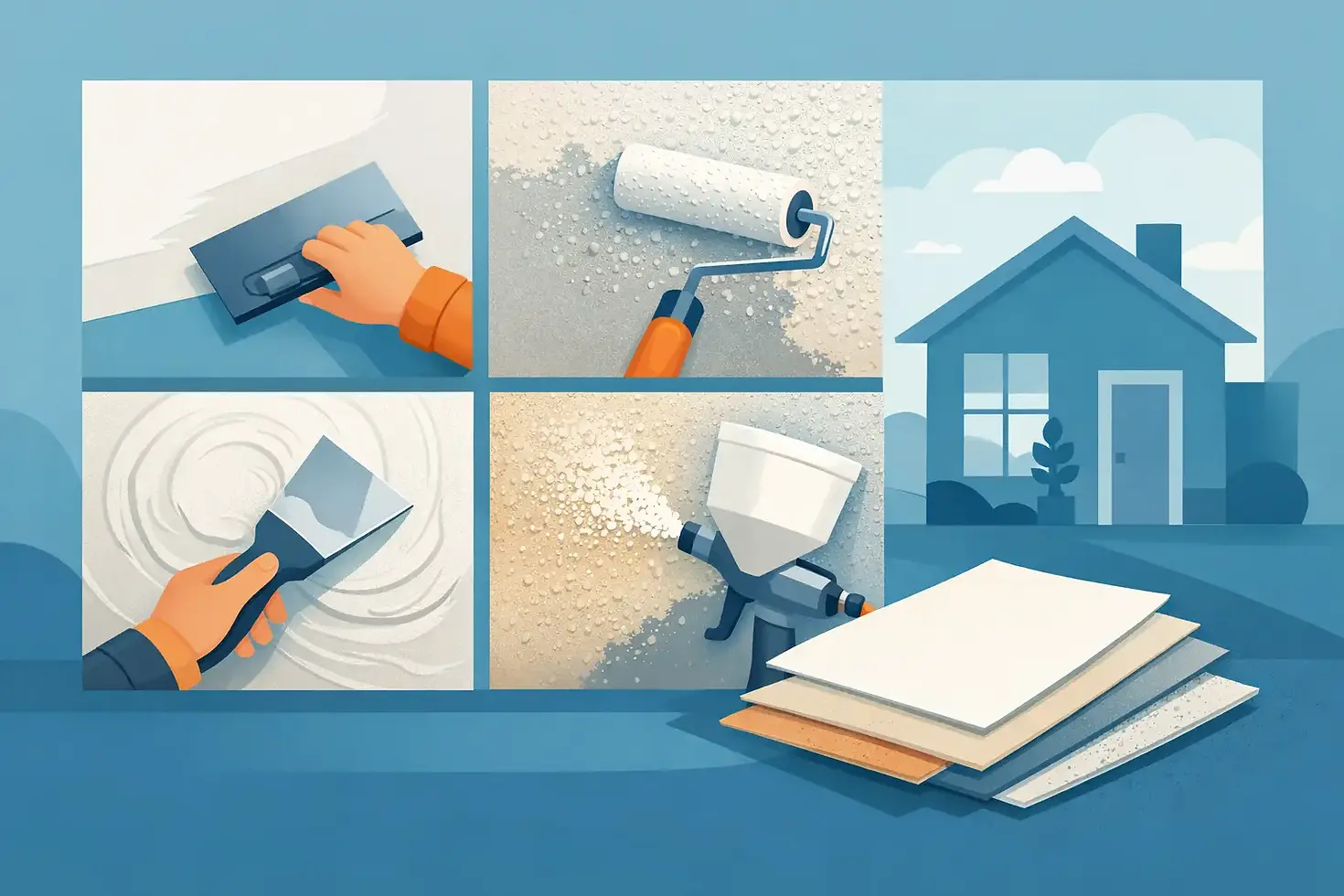
A drywall finish can make a new room feel sharp and complete, or make every light fixture and window reveal flaws in the walls. This guide to drywall texture types helps property owners choose a finish that fits the room, the existing surfaces, and the level of maintenance they are willing to take on. The right choice is not always the most decorative one. Often, it is the finish that looks consistent, hides minor imperfections, and can be repaired without turning one small patch into an obvious eyesore.
For St. Louis homes, rentals, offices, and basement remodels, texture selection also has to work with the rest of the project. Framing, drywall installation, finishing, painting, trim, and lighting all affect how the final surfaces look. A dependable drywall contractor considers the whole room before applying mud or spraying texture.
Why Drywall Texture Is More Than a Style Choice
Texture controls how light moves across a wall or ceiling. A smooth finish reflects light evenly but also exposes poor joints, ridges, nail pops, and repair areas. A heavier finish diffuses light and can disguise small surface inconsistencies, which is useful in older homes, large ceiling areas, and spaces with natural side lighting.
Maintenance matters too. Highly textured walls can collect dust and are harder to touch up after a repair. Smooth walls are easy to wipe down, but matching a smooth finish requires careful taping, sanding, priming, and painting. There is no one finish that is right for every property. The best answer depends on the room's use, its lighting, the condition of the drywall, and whether the texture needs to match an existing area.
Guide to Drywall Texture Types: The Most Common Choices
Smooth finish
A smooth drywall finish has no intentional texture. It is the clean, modern look common in updated living rooms, offices, kitchens, hallways, and new construction. Done correctly, it gives paint color a crisp, even appearance and works well with contemporary trim and built-ins.
The trade-off is preparation. Smooth walls demand a high level of drywall finishing, especially near windows, recessed lights, and other areas where light washes across the surface. Small flaws show quickly. This finish is a strong choice when the drywall is new, the crew can properly finish it, and the client wants a polished result rather than a surface designed to conceal imperfections.
Orange peel
Orange peel is a light, sprayed texture with small dimples, similar to the skin of an orange. It is one of the most practical finishes for walls because it adds visual consistency without becoming overly rough or dated. It is common in bedrooms, hallways, garages, rental properties, and many commercial interiors.
A light orange peel can hide minor finishing variations and is generally easier to patch than heavier textures. Matching it still takes experience. Spray pressure, material thickness, distance from the wall, and drying conditions all change the pattern. A patch applied with the wrong settings can look noticeably different once it is painted.
Knockdown
Knockdown starts as a sprayed splatter texture. After the material begins to set, a finisher lightly drags a drywall knife across the surface to flatten the raised spots. The result has a layered, mottled appearance that offers more character than orange peel but remains controlled and clean.
This is a popular option for ceilings and larger open rooms because it breaks up reflected light and covers minor drywall variations well. It also works in homes where a subtle decorative finish is wanted without the bold look of heavier hand-applied textures. Knockdown needs a consistent hand across the entire surface. Stopping and restarting without planning can leave visible changes in the pattern.
Skip trowel
Skip trowel is a hand-applied texture created by applying joint compound in irregular, overlapping passes. It has a more custom, plaster-like look than spray finishes and is often used in living rooms, dining rooms, entryways, and higher-end remodels.
Because it is applied by hand, skip trowel can vary significantly from one installer to another. That is part of its appeal, but it also means texture matching is more difficult after plumbing repairs, water damage, or wall alterations. It is best used when the finish can be applied across a complete wall or room, rather than in a small isolated section.
Stomp brush and crowsfoot
Stomp brush, sometimes called crowsfoot, is made by pressing a textured brush into wet compound. The pattern can resemble a series of sunbursts, footprints, or overlapping brush marks. It is most often found on ceilings, particularly in older homes.
This texture does a good job of hiding surface imperfections, but it is not the easiest finish to clean or repair. If a ceiling has several patches, matching the brush pattern and depth can be challenging. When renovating an older property, a contractor may recommend repairing and matching the existing finish, retexturing the entire ceiling, or removing the texture if a cleaner look is the goal.
Popcorn ceiling texture
Popcorn is a heavy, acoustic-style ceiling texture with a rough, bumpy surface. It was widely used in past decades because it could cover imperfections quickly and reduce some sound reflection. Many property owners now choose to remove it during remodeling because it can look dated, collect dust, and complicate painting or repairs.
Removal is not always a simple scrape-and-paint job. Older popcorn materials may require testing before disturbance, and the ceiling underneath often needs repairs and refinishing. For a renovation, the practical decision may be to remove the existing texture and apply a smooth or knockdown ceiling finish that better matches the rest of the home.
Choosing Texture by Room and Project Type
For a basement remodel, orange peel on walls and knockdown or smooth finish on ceilings are often practical choices. Basements can have soffits, bulkheads, mechanical access panels, and lighting changes that create more joints and transitions. A light texture can help those surfaces look consistent while keeping future repairs manageable.
For kitchens and bathrooms, smoother finishes are easier to wipe down, especially on walls that may see grease, moisture, or frequent cleaning. Proper ventilation, moisture-resistant drywall where needed, sound finishing practices, and quality paint matter more than texture alone in these spaces.
In a rental unit or commercial space, the priority is usually durability, consistent appearance, and efficient repair. Orange peel is commonly selected because it provides a professional look without requiring the labor intensity of a Level 5 smooth finish. In an office, restaurant, school, or multi-family property, consistent texture across additions and repairs is especially important for keeping the space presentable.
For a living room, foyer, or formal area, the decision is more design-driven. Smooth finish supports a modern look, while knockdown or skip trowel adds movement and can feel warmer in a traditional setting. Consider the trim, paint sheen, ceiling height, and natural light before committing. A texture that looks subtle under construction lighting can appear much stronger once sunlight reaches the room.
Texture Matching Is a Skilled Repair, Not a Shortcut
When a wall is opened for electrical work, plumbing access, water damage repair, or settling cracks, the drywall patch is only part of the job. The surrounding texture must blend in after priming and painting. A repair that is structurally sound can still look unfinished if the texture is too heavy, too light, too flat, or applied beyond the necessary area.
Good texture matching starts with identifying the original pattern. The contractor then repairs the drywall, finishes seams, recreates the texture, allows proper drying time, and primes the repair before paint. Paint sheen matters as well. A mismatched sheen can make a carefully blended repair stand out just as much as a poor texture match.
This is where trying to save time can cost more later. Spray cans and basic texture tools can help with very small repairs, but they rarely produce a reliable match on visible walls or ceilings. If the damaged area is in a main room, near a window, or under direct lighting, professional repair is usually the better investment.
Get the Finish Right Before Paint Goes On
Texture should be selected before the painting stage, not after drywall work is complete. The finish affects material choices, labor, drying time, primer needs, paint sheen, and how the room will look when complete. It also affects future remodel work. If you are adding walls, finishing a basement, repairing ceilings, or updating a commercial interior, plan for the texture as part of the full scope.
St. Louis Drywall Pros handles drywall installation, repairs, texture matching, painting, and finish work as one coordinated project. A clear site review can identify the existing texture, explain the practical options, and provide a straightforward quote before work begins. The best texture is the one that fits the property, holds up to daily use, and looks like it has always belonged there.


Comments